Xanthan Gum is a natural polysaccharide that plays a crucial role in both food and industrial applications. Derived from the fermentation of sugar by the bacterium Xanthomonas campestris, it has unique thickening and stabilizing properties. This versatile ingredient is widely used in gluten-free products, sauces, and dressings, enhancing texture and consistency.
In the food industry, Xanthan Gum provides stability to emulsions and prevents ingredient separation. It creates a smooth mouthfeel, making food products more enjoyable. However, the use of Xanthan Gum isn't without its challenges. Some consumers may experience digestive issues, raising questions about its long-term effects.
Industrially, Xanthan Gum serves as a powerful additive in various sectors, including oil drilling and pharmaceuticals. Its ability to retain water and maintain viscosity is invaluable in these contexts. Nonetheless, there are ongoing discussions about its environmental impact and sustainability. Exploring both its benefits and potential drawbacks is essential for informed choices.
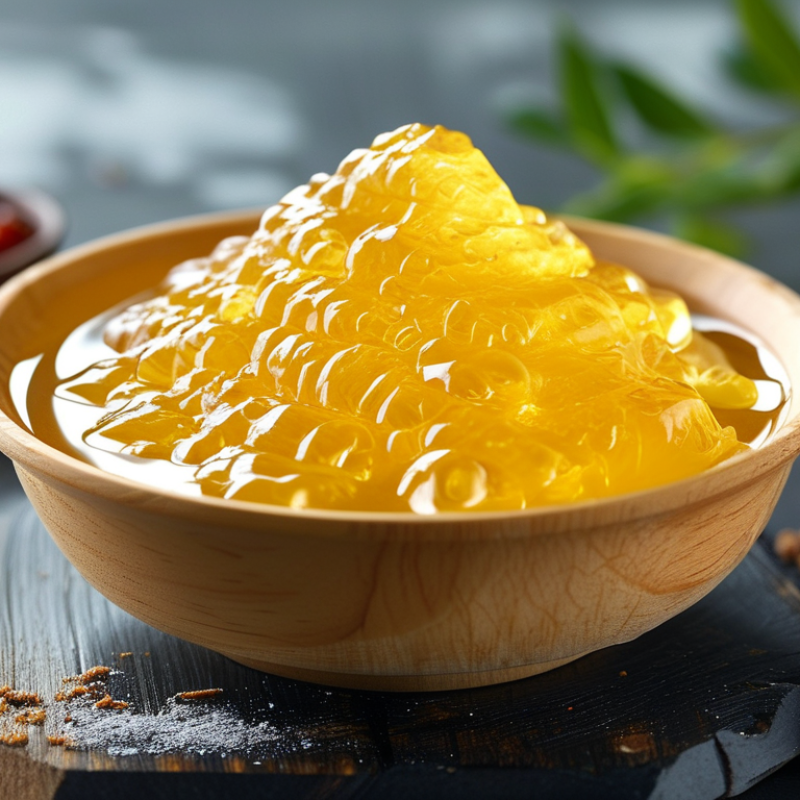
Role of Xanthan Gum as a Thickening Agent in Food Products
Xanthan gum serves as a crucial thickening agent in the food industry. It is derived from the fermentation of sugar by the bacteria Xanthomonas campestris. This natural polysaccharide has gained popularity for its unique properties. In food products, it helps maintain texture and stability, improving the overall mouthfeel.
According to a 2020 market report by Mordor Intelligence, the global xanthan gum market is projected to reach approximately $1.1 billion by 2025. This growth is attributed to its applications in gluten-free foods and sauces. Xanthan gum enables the creation of smooth, creamy textures without added fats. Food manufacturers value its ability to create stable emulsions, especially in salad dressings and dairy products.
Xanthan gum's versatility extends beyond food. In industry, it functions as a thickener in cosmetics and oil drilling fluids. However, some consumers raise concerns about its processed nature. While xanthan gum is generally recognized as safe, its long-term effects are still under investigation. The need for ongoing research is important to address these concerns and enhance consumer confidence in its usage.
Usage of Xanthan Gum in Food and Industry
Xanthan gum is widely utilized in various sectors, particularly in food and industrial applications. The chart above illustrates the approximate usage percentages of xanthan gum across different categories such as beverages, sauces, dairy products, bakery items, cosmetics, and pharmaceuticals.
Applications of Xanthan Gum in Gluten-Free Baking
Xanthan gum is a versatile additive widely used in gluten-free baking. This natural polysaccharide enhances the texture and stability of baked goods. Research shows that gluten-free products often lack elasticity. Xanthan gum simulates the properties of gluten, creating a desirable chewiness. It can effectively bind ingredients, providing a cohesive structure in doughs and batters.
For those experimenting with gluten-free recipes, consider these tips. Use xanthan gum in small amounts—typically, 1 teaspoon per cup of flour is adequate. Too much can lead to an overly gummy texture. Additionally, combining xanthan with other hydrocolloids can improve results. For instance, using it with guar gum may enhance moisture retention without compromising texture.
Baking with xanthan gum requires careful calibration. Different batches can yield varying results. Adjust your measurements based on the desired texture. Monitoring the moisture content of your ingredients also helps achieve the best outcome. Practicing patience and adapting your approach can lead to delicious gluten-free treats. Always be open to making tweaks; the perfect recipe often evolves over time.
Xanthan Gum's Functionality in Salad Dressings and Sauces
Xanthan gum is a natural thickening agent widely used in food, especially in salad dressings and sauces. It helps achieve the perfect texture, allowing dressings to cling to salads beautifully. This ingredient stabilizes emulsions, preventing oil and water from separating. As a result, your dressings remain creamy and appealing, enhancing both flavor and presentation.
Tips for using xanthan gum include starting with small amounts. Just a pinch can go a long way. Gradually add more if needed, as too much can cause an overly thick texture. Mixing xanthan gum with dry ingredients before combining with liquids can ensure even distribution. This technique prevents clumping, giving you the desired smoothness in your dressings.
In the world of sauces, xanthan gum offers versatility. It improves mouthfeel, providing a luxurious coating without altering the flavor. Careful measurement is essential. Some home cooks may find their sauces too viscous, which can be a learning experience. Experimentation is key to developing your personal touch with this ingredient.
Use of Xanthan Gum in Industrial Applications and Manufacturing
Xanthan gum is a polysaccharide widely used in various industrial applications. In the food industry, its thickening and stabilizing properties make it invaluable. The global xanthan gum market was valued at approximately $1.4 billion in 2022 and is expected to grow significantly. This growth is driven by increasing demand for gluten-free and natural products.
In non-food industries, xanthan gum plays a crucial role as a viscosifier in oil drilling and personal care products. Its ability to maintain consistency and enhance texture is widely recognized, especially in cosmetic creams and shampoos. According to a recent market analysis, the demand in the cosmetic sector has risen by nearly 17% in the past five years.
Tips: When using xanthan gum, keep in mind that small amounts can create significant viscosity. Overuse can lead to an unpleasant texture in food products. Adjusting the quantity is essential for achieving the desired outcome.
Xanthan gum can also be a challenge in some formulations. Its interaction with other ingredients may sometimes yield unexpected results. Regular testing and adjustments are necessary to optimize formulations. This requires both expertise and a willingness to experiment.
Impact of Xanthan Gum on Food Texture and Shelf Life Stability
Xanthan gum is a versatile ingredient in both food and industry. Its use significantly impacts food texture and shelf life. This polysaccharide is produced through the fermentation process of carbohydrates. It is well-known for enhancing viscosity and stabilizing emulsions. Many food products, such as salad dressings and sauces, become creamier and more appealing with xanthan gum.
One significant advantage of using xanthan gum is its ability to improve shelf life stability. By preventing ingredient separation, it ensures consistency over time. Additionally, xanthan gum can help retain moisture in baked goods, keeping them fresh longer. This characteristic makes it popular in gluten-free products, where texture is often a challenge. However, achieving the right balance can be tricky. Too much xanthan can lead to a gummy texture.
Tips: Begin with small amounts of xanthan gum in recipes. Gradually increase as needed to avoid undesirable textures. Always mix thoroughly to prevent clumping. Experiment with different combinations of gums for the best results. Using xanthan gum can elevate your dishes if done thoughtfully.
Conclusion
Xanthan Gum is a versatile ingredient widely used in the food industry for its thickening properties. It plays a crucial role as a thickening agent in various food products, enhancing textures and ensuring consistency. In gluten-free baking, Xanthan Gum is vital for mimicking the elasticity provided by gluten, allowing for improved dough structure and bite. Additionally, it is commonly used in salad dressings and sauces, where it helps stabilize ingredients and prevent separation, while also contributing to a desirable mouthfeel.
Beyond culinary applications, Xanthan Gum is also employed in various industrial settings, including manufacturing processes, where its thickening and emulsifying abilities are beneficial. Its use not only improves food texture but also extends shelf life stability, making it a valuable asset in both food production and industrial applications. Overall, Xanthan Gum is an essential component that enhances both the quality and longevity of numerous products.